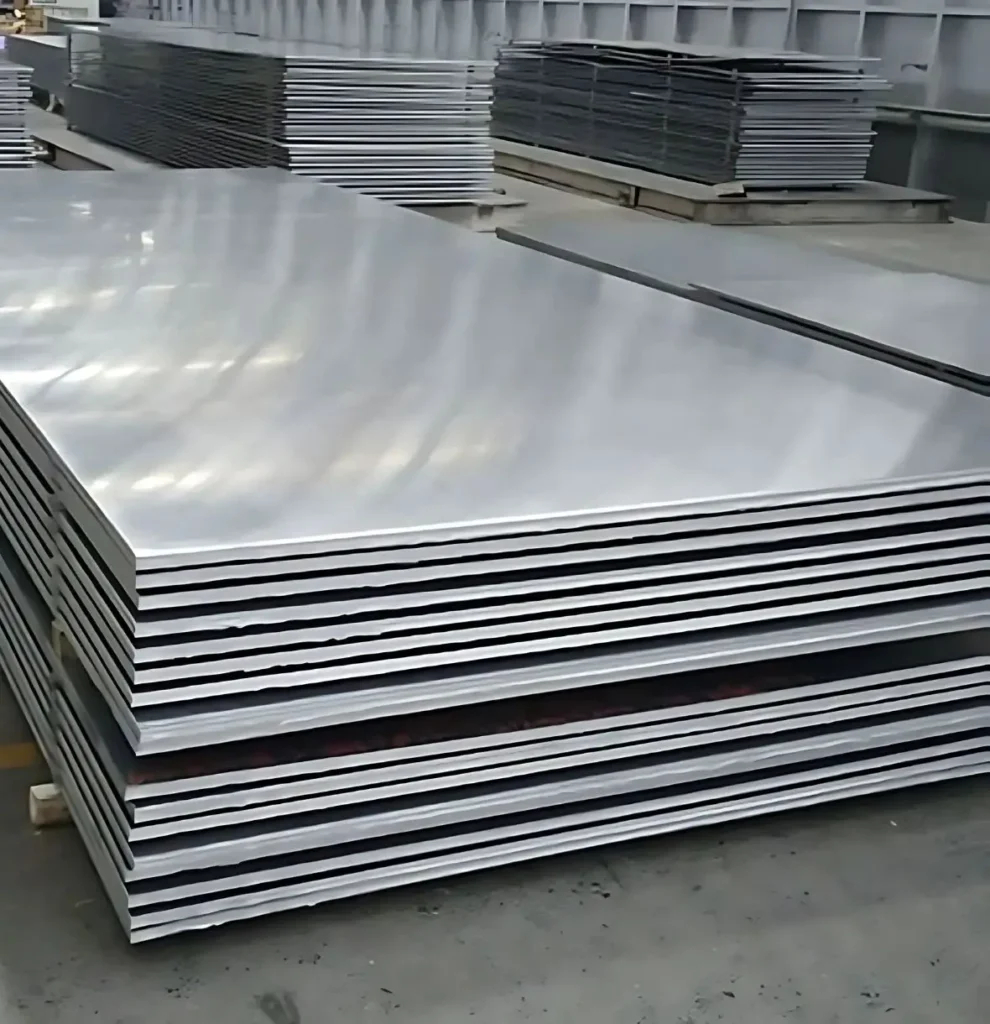
The selection of appropriate thicknesses for Galvanized Iron GI sheets is a critical factor that will affect the strength, durability, and performance of your roof or structure. The thickness which is used very commonly in weights like 26G, 24G, and 22G determines the performance of a GI sheet against loads, weather, and corrosion. By this guide, we will give the gauges comparison one-on-one, and explain their meanings and finally help you to make the best choice for your project.
What Does “Gauge” Mean in GI Sheets?
Unlike millimeters, gauge (G) is a traditional measurement system used to classify sheet thickness.
👉 Lower gauge number = thicker sheet
👉 Higher gauge number = thinner sheet
So:
- 22G is thicker and stronger than
- 24G, which is thicker than
- 26G
This thickness affects performance, cost, and suitability for specific applications.
GI Sheet Thickness Table (Approximate)
| Gauge | Approx. Thickness (mm) | Typical Use |
|---|---|---|
| 26G | ~0.45–0.50 mm | Light roofing, temporary structures |
| 24G | ~0.55–0.60 mm | Standard roofing & walls |
| 22G | ~0.70–0.75 mm | Heavy-duty roofs, industrial buildings |
Note: Actual thickness can vary slightly by manufacturer and regional standards.
26G GI Sheets: Lightweight & Cost-Friendly
Pros
✔ Lower cost
✔ Easier to handle & transport
✔ Works well for moderate loads
Cons
✖ Less rigid
✖ Prone to denting under impact
✖ Not ideal for high wind or heavy load areas
Best For
- Residential shelters
- Temporary structures
- Low-traffic sheds
Bottom Line: 26G is budget-friendly and works where load requirements are modest.
24G GI Sheets: Balanced Choice for Most Roofs
Pros
✔ Good balance of strength & weight
✔ Standard choice in many projects
✔ Adequate rigidity for most climates
Cons
✖ Slightly heavier (than 26G)
✖ Costlier than thinner gauges
Best For
- Residential & small commercial roofs
- Boundary walls
- Carports
Bottom Line: 24G is the middle ground — strong enough for most installations without excess cost.
22G GI Sheets: Heavy-Duty & Long-Lasting
Pros
✔ Superior strength and load-bearing
✔ Better performance in high wind or snow
✔ Excellent long-term durability
Cons
✖ Higher cost
✖ Heavier (more labor during installation)
Best For
- Industrial buildings
- Warehouses & factories
- Coastal and high-stress environments
Bottom Line: 22G is for applications where strength and durability outweigh cost concerns.
Performance Comparison: 26G vs 24G vs 22G
| Feature | 26G | 24G | 22G |
|---|---|---|---|
| Strength | ★★☆☆☆ | ★★★★☆ | ★★★★★ |
| Durability | ★★☆☆☆ | ★★★★☆ | ★★★★★ |
| Cost | ★★★★★ (lowest) | ★★★★☆ | ★★★☆☆ (highest) |
| Ease of Handling | ★★★★★ | ★★★★☆ | ★★★☆☆ |
| Suitability for Extreme Weather | ★★☆☆☆ | ★★★★☆ | ★★★★★ |
How to Choose the Right Gauge for Your Project
Here’s a quick decision formula:
Ask These Questions
- What is the building type?
- Warehouse/Industrial → 22G
- Residential Roof → 24G
- Temporary/Light structure → 26G
- What’s the weather like?
- High winds/snow → Thicker gauge
- Mild climate → Standard gauge is fine
- What’s your budget?
- Tight budget → Consider thinner but understand trade-offs
- Long-term investment → Thicker gauge pays off
Other Factors to Consider Alongside Gauge
Gauge alone isn’t everything. Look at:
✔ Zinc Coating (Corrosion Resistance): More zinc = longer life
✔ Profile Type: Corrugated, ribbed, trapezoidal — affects strength
✔ Surface Finish: Color-coated for aesthetics and UV protection
✔ Manufacturing Standards: Certified for thickness & coating
Installation & Maintenance Tips
Even the right gauge performs well only with proper installation:
- Use corrosion-resistant fasteners
- Maintain correct overlaps
- Ensure proper slope for drainage
- Periodically inspect for dents or rust spots
Cost vs. Value: Why Not Just Go Thicker?
While thicker (22G) seems superior, there are trade-offs:
Higher material cost
More labor for handling & installation
May not be necessary for low-stress environments
The goal is optimum value — not maximum thickness.
Conclusion
Choosing between 26G, 24G, and 22G GI sheets comes down to a balance of:
✅ Strength & durability
✅ Cost & budget
✅ Weather and load conditions
✅ Application type
- 26G – Budget & light usage
- 24G – All-round performer
- 22G – Heavy-duty and long-lasting
By understanding gauge differences and matching them to your project needs, you ensure a roofing solution that’s efficient, durable, and cost-effective.