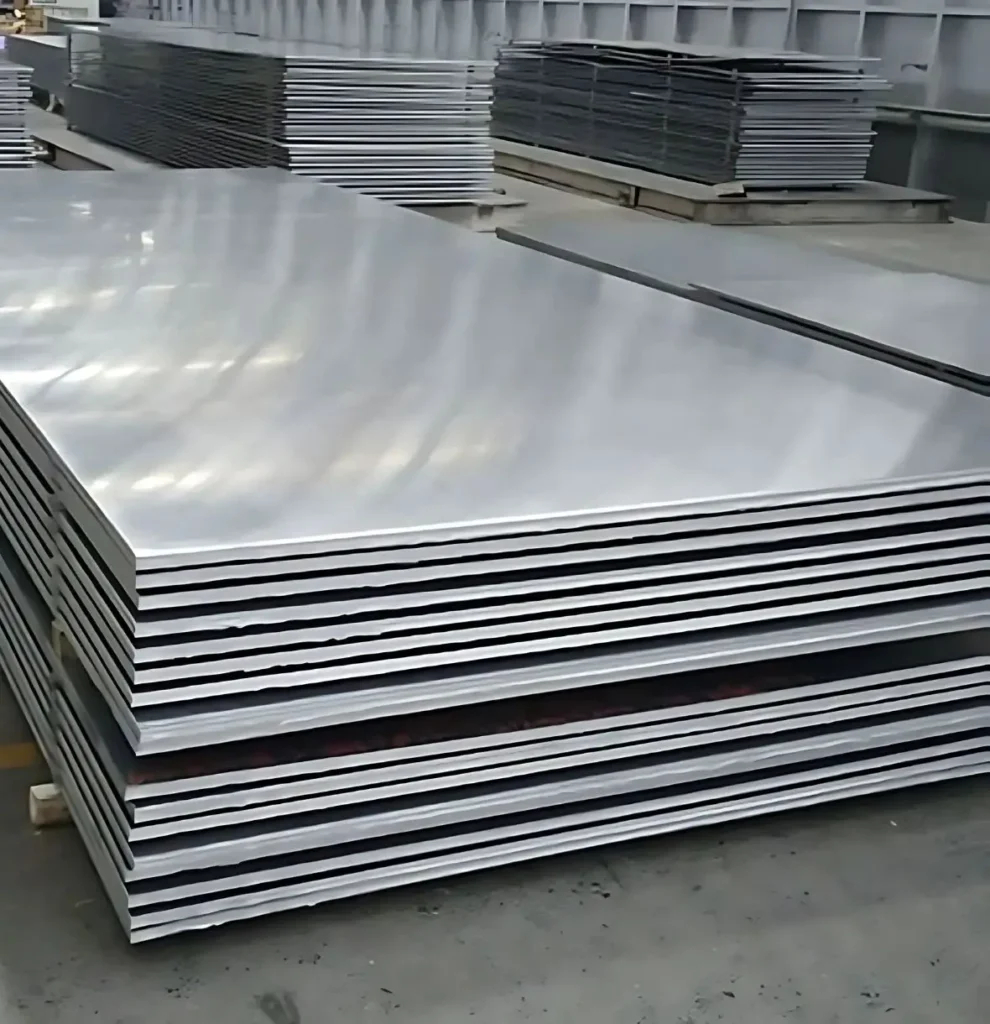
The proper installation procedure of Galvanized Iron (GI) sheets is of equal significance to choosing the appropriate material. Mistakes during installation can lead even the best GI sheets to fail early. On the other hand, proper installation will allow industrial and commercial roofing, which are frequently subjected to heavy loads, wind, rain, and heat, to enjoy long service life, safety, and low maintenance. The guide consists of installation best practices step by step, pitfalls to be avoided, and expert advice for industrial and commercial projects.
1. Pre-Installation Planning & Preparation
a) Choose the Right GI Sheet Specification
Before installation, confirm:
- Thickness (Gauge):
- 24G–22G recommended for industrial roofs
- Zinc Coating:
- Minimum 180 GSM (275 GSM for coastal/chemical zones)
- Profile Type:
- Corrugated or trapezoidal sheets preferred for strength
- Sheet Length:
- Opt for longer sheets to reduce joints and leakage points
b) Structural Frame Readiness
Ensure the supporting structure:
- Is properly aligned and level
- Uses corrosion-resistant purlins (GI/MS with primer)
- Has adequate spacing (generally 1.2–1.5 meters, depending on gauge and profile)
⚠ Poor frame alignment leads to sheet distortion and fastener failure.
2. Roof Slope & Drainage Requirements
For industrial and commercial roofing:
- Minimum recommended slope: 1:10
- Higher slope required in high rainfall zones
- Ensure water flows away from joints and fasteners
Proper slope prevents:
✔ Water stagnation
✔ Premature corrosion
✔ Leakage issues
3. GI Sheet Handling & Storage at Site
Incorrect handling can damage zinc coating even before installation.
Best Practices
- Store sheets on raised platforms
- Cover with waterproof sheets (allow airflow)
- Avoid dragging sheets on the ground
- Lift sheets vertically, not diagonally
4. Step-by-Step GI Sheet Installation Process
Step 1: Sheet Placement Direction
- Install sheets opposite to prevailing wind direction
- Start installation from the leeward side
This prevents wind-driven rain from entering overlaps.
Step 2: Sheet Overlaps (Critical for Leak Prevention)
Side Overlap
- Minimum 1 corrugation (2 corrugations in high wind zones)
End Overlap
- Minimum 150–200 mm
- Increase overlap for low-slope roofs
Step 3: Fasteners & Fixing Method
Use only roofing-grade fasteners:
- Self-drilling screws with EPDM washers
- Corrosion-resistant (galvanized or SS)
Fixing Guidelines
- Fasten at crest (top) of corrugation
- Avoid over-tightening (damages washer)
- Maintain uniform fastener spacing
Typical spacing:
- Edges: 300 mm
- Middle sections: 450–600 mm
Step 4: Alignment & Expansion Gap
GI sheets expand and contract due to temperature changes.
✔ Provide slight expansion allowance
✔ Avoid rigid fixing across long spans
✔ Use slotted holes where recommended
5. Flashings, Ridge Caps & Accessories
For industrial roofs, accessories are crucial:
- Ridge caps – prevent water ingress at roof peak
- Valley gutters – manage water flow
- Side wall flashings – seal roof-to-wall joints
- Ventilation sheets / turbo vents – reduce heat buildup
Ensure accessories match:
- Same material
- Same zinc coating or color coating
6. Safety Measures During Installation
Industrial roofing involves height and metal handling risks.
Mandatory Safety Practices
- Use safety harnesses
- Non-slip footwear
- Gloves to avoid sharp edges
- Avoid installation during rain or high wind
7. Common Installation Mistakes to Avoid
❌ Using ordinary screws instead of roofing fasteners
❌ Insufficient overlaps
❌ Over-tightening screws
❌ Poor slope planning
❌ Cutting sheets with gas cutters (damages zinc layer)
✔ Always use cold cutting tools (shears or nibblers).
8. Post-Installation Inspection Checklist
After installation, verify:
✔ Proper sheet alignment
✔ Secure fasteners with intact washers
✔ No scratches or coating damage
✔ Correct installation of flashings
✔ Clear drainage paths
Touch up minor scratches with zinc-rich paint.
9. Maintenance Tips for Industrial & Commercial GI Roofs
- Inspect roof twice a year
- Tighten loose fasteners
- Clean debris and gutters
- Check for rust at joints
- Recoat damaged areas early
Preventive maintenance extends roof life by 5–10 years.
10. GI Roofing Lifespan Expectations
With correct installation and maintenance:
- Standard GI sheets: 15–25 years
- High GSM / Galvalume sheets: 25–40 years
Installation quality directly impacts lifespan.
Conclusion
GI sheet installation for industrial and commercial roofing needs accuracy, design, and following best practices. From choosing the proper gauge and coating through the correct overlaps, fasteners, and drainage — every single step is significant.
A properly installed GI roof gives:
✔ Very durable over the long term
✔ Inexpensive maintenance cost
✔ Great protection against weather
✔ High profitability from the investment