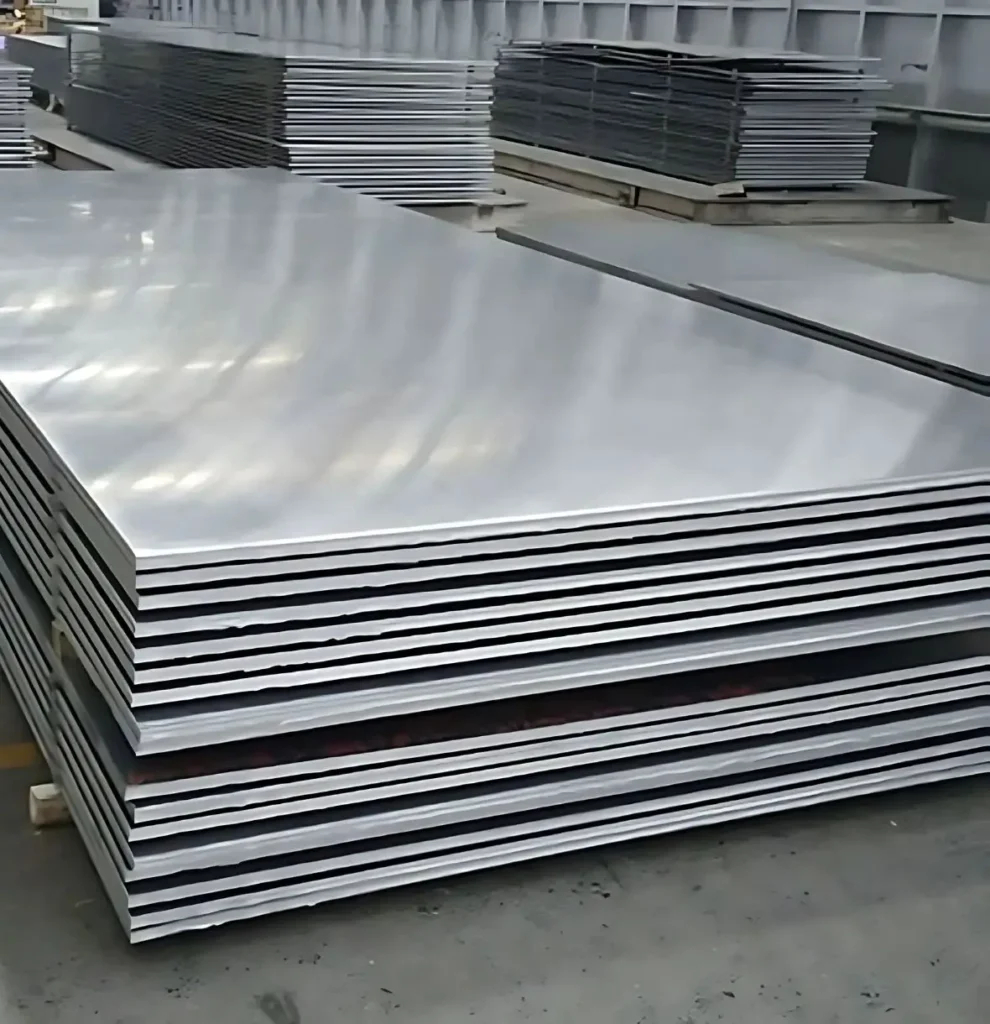
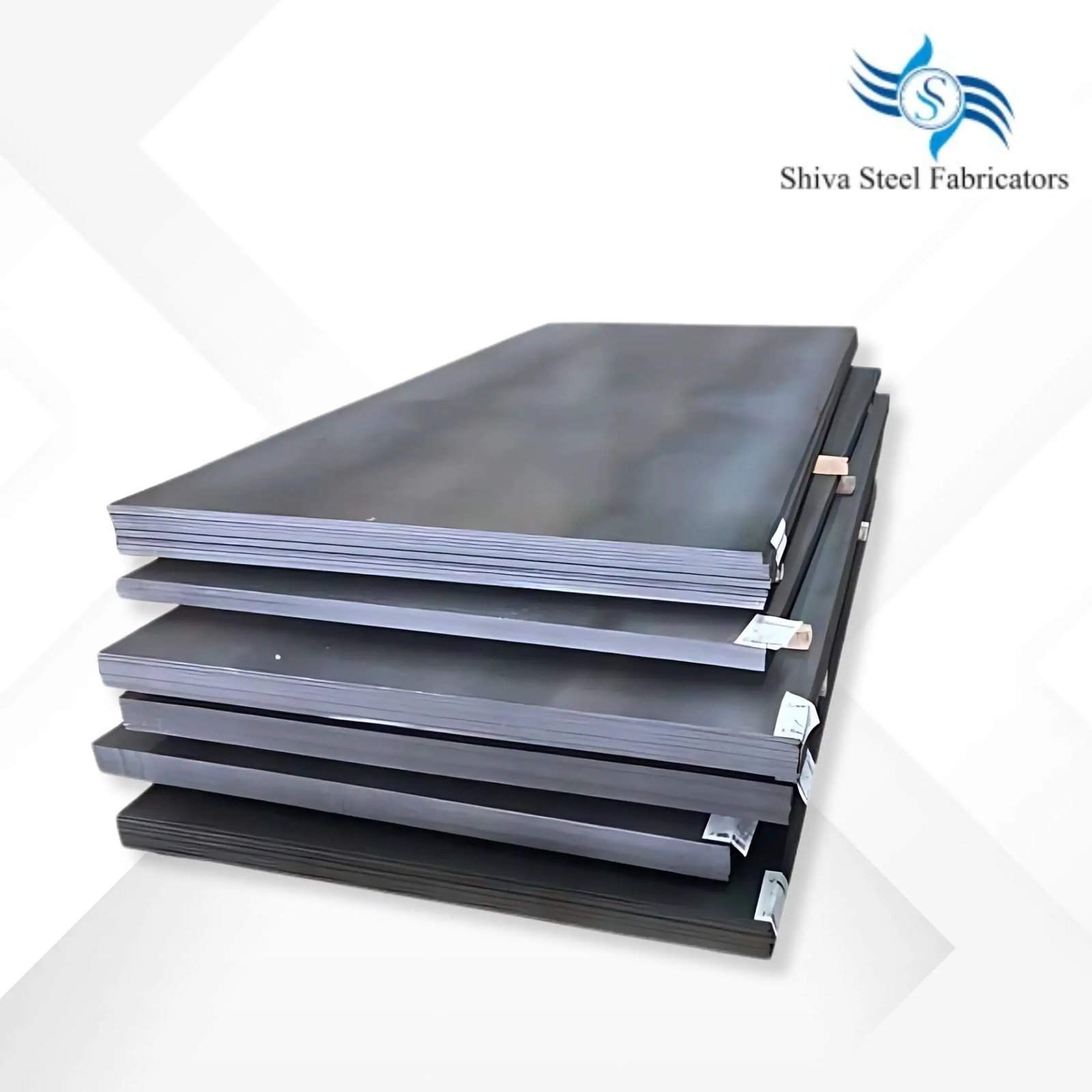
Galvanized Iron (GI) sheets have become a cornerstone material in construction, fabrication, and manufacturing due to their durability, corrosion resistance, and versatility. These sheets, coated with a layer of zinc, provide protection against rust while maintaining the structural strength of steel, making them ideal for multiple industrial applications.
In this comprehensive guide, we explore the various applications of GI sheets in roofing, fabrication, and manufacturing industries, highlighting their benefits, types, and advantages for long-lasting projects.
What Are GI Sheets?
GI sheets are steel sheets coated with zinc to prevent corrosion and extend lifespan. The galvanization process can be done via hot-dip or electro-galvanization, resulting in a uniform protective layer.
Key features of GI sheets include:
- Corrosion resistance
- Strength and durability
- Lightweight and versatile
- Easy to maintain
- Cost-effective
These properties make GI sheets suitable for industrial, construction, and commercial applications where longevity and reliability are essential.
Types of GI Sheets
Before discussing applications, it’s important to understand the types of GI sheets commonly used in roofing, fabrication, and manufacturing:
Plain GI Sheets – Flat sheets ideal for roofing, wall cladding, and ducting.
Corrugated GI Sheets – Wavy sheets providing extra strength for industrial and commercial roofing.
Color-Coated GI Sheets (PPGI/PPGL) – Pre-painted sheets for aesthetic appeal and added protection.
Perforated GI Sheets – Used for ventilation, filtration, or decorative applications.
Aluzinc/Galvalume Sheets – Zinc-aluminum coated sheets for higher corrosion resistance, especially in coastal or chemical environments.
Each type serves unique purposes depending on the project requirements.
Applications in Roofing Industry
Roofing is one of the most common applications of GI sheets, particularly in industrial, commercial, and residential projects.
Industrial Roofing
Corrugated and plain GI sheets are widely used in factories, warehouses, and workshops because of their:
- High durability under extreme weather conditions
- Resistance to corrosion and rust
- Ability to handle heavy loads and wind pressure
Authorized suppliers provide sheets with proper zinc coating and thickness, ensuring that roofs remain strong and long-lasting.
Commercial and Residential Roofing
Color-coated GI sheets (PPGI) are preferred for office buildings, malls, and homes due to:
- Aesthetic appeal with UV-resistant coatings
- Reduced maintenance costs
- Energy efficiency by reflecting heat and reducing indoor temperature
These sheets are lightweight, making installation faster and more cost-effective.
Temporary Roofing Solutions
GI sheets are often used in construction sites for temporary shelters, storage sheds, and canopies. They provide quick assembly, durability, and protection from environmental elements.
Applications in Fabrication Industry
The fabrication industry relies on GI sheets for creating customized products and structural components.
Sheet Metal Fabrication
GI sheets are easily cut, bent, and welded, making them ideal for:
- Machine enclosures
- Cabinets and storage units
- Industrial containers
Their corrosion resistance and mechanical strength ensure fabricated products last long under industrial conditions.
HVAC Ducting
GI sheets are extensively used for heating, ventilation, and air conditioning (HVAC) systems, providing:
- Smooth surfaces for efficient airflow
- Resistance to moisture and corrosion
- Long service life even in humid or industrial environments
Industrial Part Manufacturing
GI sheets are also used for making:
- Panels for machinery and equipment
- Protective covers
- Conveyor components
Trusted suppliers provide sheets with consistent thickness and tensile strength to ensure the fabricated parts are reliable and durable.
Applications in Manufacturing Industry
GI sheets have multiple applications in manufacturing sectors ranging from automotive to chemical industries.
Storage Tanks and Silos
- GI sheets are used to manufacture water tanks, grain silos, and chemical storage tanks.
- Corrosion resistance ensures the stored materials remain uncontaminated.
- Authorized suppliers provide sheets with suitable thickness and zinc coating for specific industrial requirements.
Automotive and Transportation
- GI sheets are used in the manufacturing of vehicle body panels, trailers, and containers.
- Lightweight yet durable sheets reduce the overall weight of vehicles without compromising strength.
Electrical Panels and Equipment Housings
- GI sheets protect electrical components and panels from environmental hazards like moisture, dust, and corrosion.
- Pre-fabricated GI sheet panels are widely used in switchgear, transformer housings, and control cabinets.
Agricultural and Food Processing Equipment
- GI sheets are used in machinery, silos, and storage bins in food processing units.
- High-quality zinc coatings prevent rust and contamination, meeting food safety standards.
Advantages of Using GI Sheets in Roofing, Fabrication & Manufacturing
Corrosion Resistance – Zinc coating protects steel from rust, ensuring long-term durability.
Strength and Structural Integrity – Ideal for load-bearing roofing, industrial equipment, and fabricated parts.
Versatility – Suitable for multiple industries and applications, from construction to manufacturing.
Cost-Effectiveness – Offers durability at a lower cost compared to stainless steel or other corrosion-resistant metals.
Low Maintenance – Easy cleaning and minimal upkeep reduce long-term operational costs.
Customization – Available in various thicknesses, sizes, coatings, and finishes to meet specific project requirements.
Maintenance Tips for GI Sheets
Even high-quality GI sheets require proper maintenance to maximize lifespan:
- Regular Cleaning: Remove dust, debris, and chemical residues.
- Inspection: Check for scratches, dents, or exposed steel; apply zinc-rich primer if necessary.
- Avoid Contact with Dissimilar Metals: Prevent galvanic corrosion by separating GI sheets from metals like copper or aluminum.
- Proper Storage: Store sheets in a dry, ventilated area, preferably off the ground to avoid moisture accumulation.
Authorized suppliers often provide maintenance guidelines to ensure sheets maintain their performance for decades.
Future Trends in GI Sheet Applications
Eco-Friendly Coatings – Non-toxic, sustainable coatings are becoming standard in environmentally sensitive projects.
Advanced Color-Coated Sheets – UV-resistant, heat-reflective coatings are gaining popularity in modern architecture and industrial buildings.
Lightweight High-Tensile Sheets – Reduce structural loads while maintaining strength, especially in roofing and fabrication.
Digital Fabrication Solutions – Laser cutting and precision roll forming are making customized GI sheet components faster and more efficient.
Conclusion
GI sheets are highly versatile materials that play a crucial role in roofing, fabrication, and manufacturing industries. Their combination of strength, durability, corrosion resistance, and cost-effectiveness makes them indispensable across a wide range of applications.
From industrial and commercial roofing to sheet metal fabrication, HVAC systems, and storage tanks, GI sheets ensure long-lasting performance and reliability. By sourcing from trusted and authorized suppliers, businesses and contractors can ensure that their projects meet quality standards, reduce maintenance costs, and achieve long-term durability. Shiva Steel Fabricator, established in 2000 in New Delhi, India, is a trusted GI Sheet Supplier and a leading wholesale trader of high-quality steel products.