Roofing is an essential feature of any building, whether it is for commercial, industrial or residential use. GI-Galvanized Iron Sheets are one of the many roofing materials that are still highly preferred owing to their durability, resistance to rust and affordable price. Nevertheless, choosing the right GI sheet calls for knowledge of several technical and quality standards. This manual will help you to become familiar with all the necessary information and factors as to why and how to select quality GI sheets that will endure the test of time.
1. What Are GI Sheets?
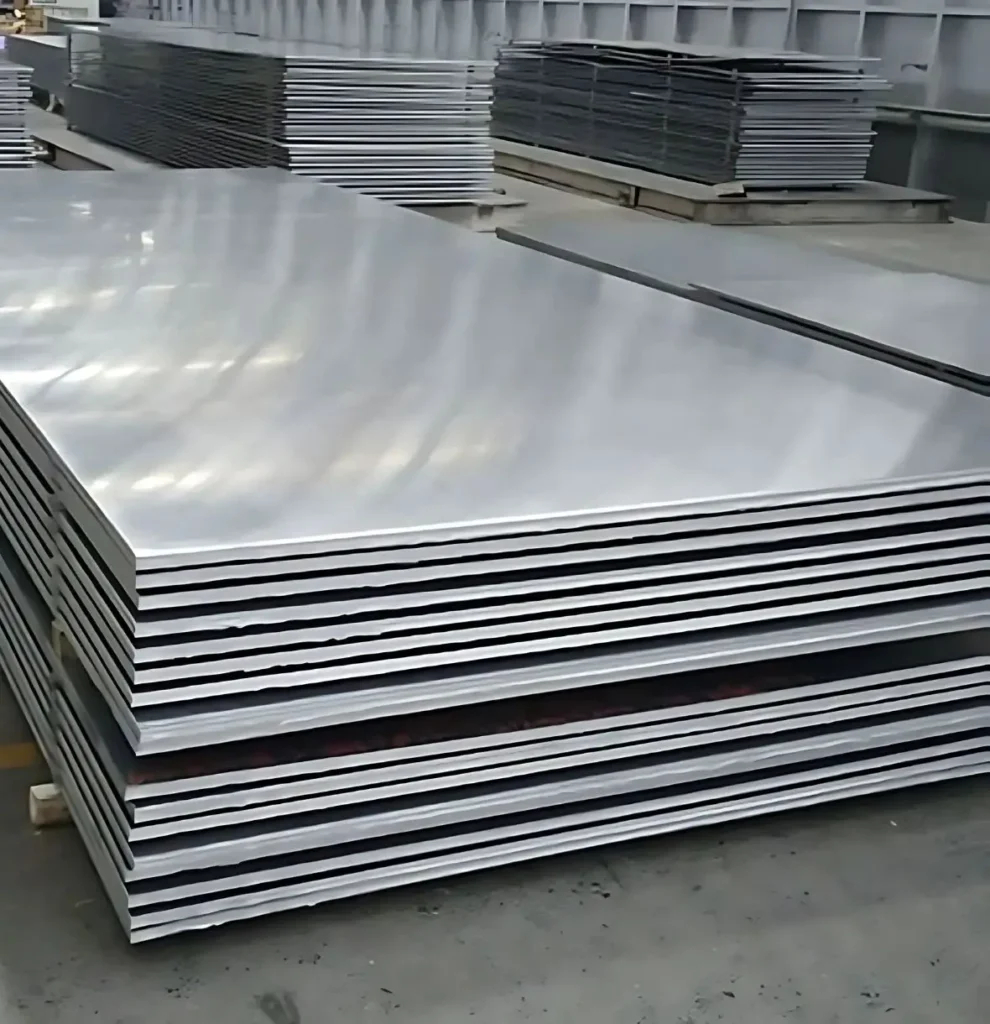
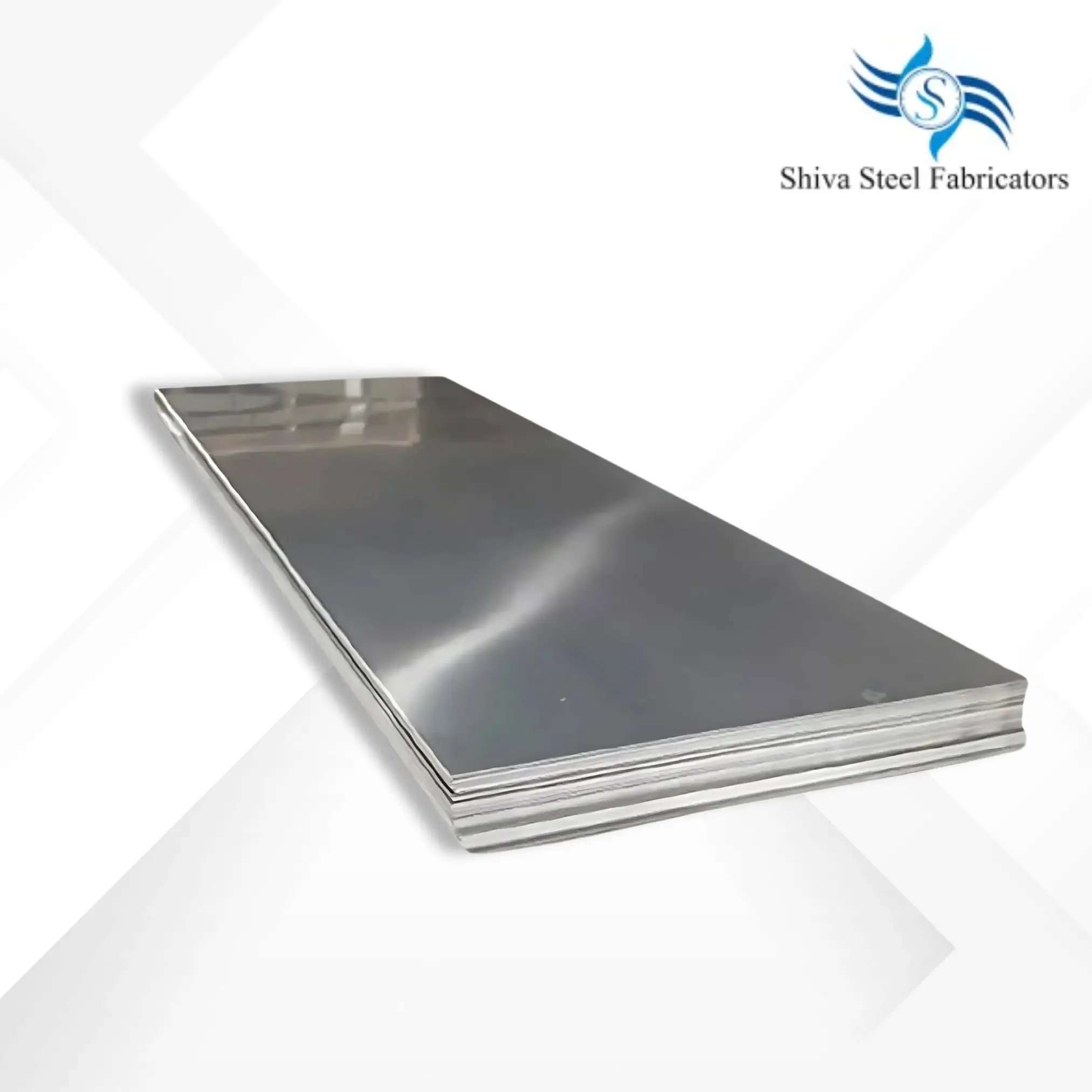
GI sheets are steel sheets that have been coated with a layer of zinc through a process called galvanization. The zinc coating serves as a protective layer that prevents rust and corrosion, extending the life of the steel.
Why use GI sheets for roofing?
- Excellent corrosion resistance
- Long lifespan (when quality is right)
- Affordable compared to alternative materials
- Easy to install and maintain
2. Key Factors to Consider When Selecting GI Sheets
a) Galvanization Quality (Zinc Coating)
The primary indicator of a quality GI sheet is the thickness of the zinc coating.
✔ Higher zinc coating = better corrosion resistance
✔ Measured in grams per square meter (g/m²)
Common grades:
- 120gsm – Basic protection
- 180–275gsm – Standard for roofing
- Above 275gsm – Heavy-duty and coastal areas
👉 For roofing, aim for at least 180gsm – 275gsm zinc coating for durability.
b) Sheet Thickness (Gauge/ mm)
Thickness affects the strength, load-bearing capacity and service life of the sheet.
- Common thicknesses range from 0.35mm to 1.2mm
- Thicker sheets = stronger and last longer
- Gauge numbers decrease as thickness increases
⚠ Thinner sheets may be cheaper but prone to dents, sagging and premature wear.
c) Surface Finish
GI sheets may come with different finishes, which affect performance and aesthetics:
- HD (High Dull) – Matte finish, often used in construction
- SP (Spangled Pattern) – Decorative pattern, often preferred in residential structures
- Color-coated – Additional layer of paint for aesthetics and UV resistance
3. Performance Attributes to Check
a) Rust and Corrosion Resistance
- Evaluate zinc coating quality and uniformity
- Ask for manufacturer test reports (salt spray test results)
b) Durability
- Higher thickness and proper coating extend life
- Look for warranties where possible
c) Weather Resistance
- Quality GI sheets handle sun, rain and temperature changes better
- Color-coated options offer additional UV protection
4. Common Profiles Used in Roofing
Depending on the structure and aesthetics, GI sheets come in various profiles:
- Corrugated Sheets
- Trapezoidal Sheets
- Ribbed Sheets
- Plain Sheets (for secondary use)
Each profile offers different structural support and water runoff characteristics. Consult a roofing designer to select the best profile for your roof design.
5. Testing & Certification Checklist
Before approving the purchase of GI sheets, ensure the product:
✅ Has thickness certified by a third-party lab
✅ Zinc coating meets standard grades (e.g., ASTM, IS codes)
✅ Salt spray testing data available
✅ Manufacturer credibility and warranty terms
6. Supplier Selection Guide
Choosing the right supplier is as important as choosing the right material.
✔ Reputation & Reviews – Look for longstanding suppliers
✔ Sample Sheets – Inspect before buying
✔ After-sales support – Warranty & installation support
✔ Delivery reliability – Timely and safe delivery
7. Cost vs. Value: What to Expect
Cost varies based on:
- Thickness
- Zinc coating grade
- Sheet profile
- Brand
- Location
💡 Avoid choosing purely based on price. A slightly higher cost for better zinc coating and sheet thickness pays off with less maintenance and longer life.
8. Installation Tips for Longevity
Even the best GI sheet can fail if installed poorly. Keep these installation tips in mind:
- Maintain correct overlaps between sheets
- Use corrosion-resistant fasteners
- Ensure proper drainage slope
- Use sealants and flashings at joints
- Avoid scratching the zinc coating during installation
9. Maintenance Tips
✔ Clean roofs periodically
✔ Check for scratches or dents
✔ Reapply touch-up coating if needed
✔ Remove debris and drains to prevent rust pockets
Conclusion
The process of choosing the best GI sheets for roofing projects involves weighing their performance, budget and long-term value. By paying attention to the quality of the zinc coating, the thickness of the sheets, the surface finish and cooperating with reputable suppliers, you can guarantee a roofing solution that is tough, economical and easy to maintain. It doesn’t matter if you are constructing an industrial warehouse or a residential building; the investment of time in choosing superior GI sheets will result in a non-problematic and economical situation in the future.